





The modern consumer marketplace is a visual masterclass in deception. Sophisticated digital marketing, filtered social media advertisements, and polished packaging can make a poorly constructed, short-lived item appear premium and high-end. In an era dominated by rapid production cycles and cost-cutting manufacturing methods, the burden of discerning true quality falls entirely on the buyer.
Purchasing a product based on its superficial aesthetic or brand name often leads to buyers remorse, financial waste, and an accumulation of discarded goods. True product quality is not defined by clever branding. Instead, it is found in the physical architecture, material honesty, engineering tolerances, and structural integrity of an object. By learning how to critically evaluate materials and craftsmanship before making a purchase, you can make informed decisions that save money, support ethical production, and ensure your belongings last a lifetime.
Deconstructing Material Integrity
The fundamental foundation of any physical object is the raw material used to build it. No matter how brilliant a design is, a product will fail prematurely if it is constructed from low-grade, delicate materials. Spotting quality requires look past the finish and analyzing the base substances.
Evaluating Textiles and Garments
When shopping for apparel or home linens, your first stop should always be the interior fabric composition tag. High-quality textile goods prioritize natural, long-staple fibers over cheap synthetic alternatives.
-
Fiber Composition: Look for 100 percent natural fibers such as long-staple cotton, mulberry silk, linen, or virgin wool. Synthetic fibers like polyester, acrylic, and nylon are often blended into clothing to reduce production costs, making garments prone to pilling, trapping body odors, and stretching out of shape after a few laundry cycles.
-
Fabric Weight and Density: Hold the fabric up to a direct light source. If light passes through easily and you can see loose, irregular spacing between the threads, the fabric is low-density and susceptible to ripping. A heavy, tightly woven knit or weave signals that more raw material was used, indicating superior structural strength.
Recognizing Genuine Leather
The leather industry utilizes confusing marketing terms to mask inferior products. To spot true quality in footwear, bags, and furniture, you must master the classification system.
-
Full-Grain Leather: This is the highest quality leather available. It utilizes the entire top layer of the hide, retaining all natural grain, texture, and durability. It feels dense, smells naturally earthy, and will develop a beautiful patina over time.
-
Top-Grain and Genuine Leather: Top-grain leather is sanded down to remove imperfections, which weakens the fibers. Genuine leather is actually a low-grade industry term for the split layers left over after premium leather is shaved off. It is often backed with plastic polymers and will crack or peel within a few years of daily use.
Assessing Manufacturing Craftsmanship and Engineering
Once you confirm the quality of the raw materials, you must closely examine how those materials are joined together. The true skill of a manufacturer is revealed in the hidden details of assembly.
The Mechanics of Apparel Construction
Turn a garment completely inside out before purchasing it to see the true level of craftsmanship.
-
Seam Architecture: Look for flat, tightly spaced stitching with zero loose threads or puckered fabric. High-quality shirts and trousers utilize flat-felled or French seams, which encase raw fabric edges completely inside the seam to prevent fraying. Cheap garments rely on a fast overlock stitch that unravels easily if a single thread catches.
-
Pattern Matching: On patterned garments featuring stripes, plaids, or geometric prints, check if the lines align perfectly at the seams, pockets, and shoulders. Aligning patterns requires extra fabric and precision cutting, which is a hallmark of premium clothing manufacturing.
Structural Integrity in Furniture and Hardware
When evaluating furniture, cabinetry, or luggage, the quality is determined by the joints and moving components.
-
Wood Joinery: High-quality wooden furniture avoids staples, nails, and visible glue lines. Look for traditional interlocking woodworking joints like dovetails, mortise-and-tenon connections, or dowel reinforcement. These methods create an incredibly strong mechanical bond that can withstand decades of weight pressure.
-
Hardware and Fasteners: Check the weight and action of zippers, hinges, and drawer slides. Premium products utilize heavy, solid brass or stainless steel hardware that operates smoothly. Luggage should feature self-repairing nylon coil zippers, while cabinetry should use soft-close concealed steel hinges rather than flimsy aluminum pieces.
The Weight and Density Test
A quick and highly reliable physical test for product quality across multiple industries is evaluating the weight and density of an object. While modern technology has made certain electronics lighter, most physical consumer products follow the rule that mass equals stability.
Kitchenware and Appliances
In the kitchen, lightweight items are almost always an indication of poor performance and short lifespans. A high-quality frying pan, such as one made from cast iron, carbon steel, or fully clad stainless steel, should feel heavy in your hand. This thickness ensures even heat distribution and prevents the cooking surface from warping under high temperatures. Similarly, appliances with metal internal gears weigh significantly more than those with cheap plastic drivetrains, signifying a motor built to withstand long-term resistance.
Tools and Everyday Carry Items
Whether you are buying a pocket knife, a hammer, a pair of scissors, or a pen, the item should feel balanced and anchored by its material density. Solid metal construction, such as forged steel, solid brass, or aerospace-grade titanium, provides structural safety and durability under stress. If a tool feels strangely light, hollow, or utilizes plastic housing in high-friction areas, it is designed for occasional light use rather than true longevity.
Identifying Red Flags in Product Design
Spotting quality also involves knowing how to identify the subtle design choices manufacturers use to cut corners during production.
Excess Branding and Superficial Packaging
Low-quality products often rely on oversized logos, flashy branding, and luxurious, heavy packaging boxes to distract consumers from the mediocre item hidden inside. A truly high-quality product relies on its performance and subtle, tactile refinement to impress the buyer. If the packaging feels more expensive and thought-out than the product itself, step away from the purchase.
Glued Components versus Mechanical Fastening
Take a close look at how components are attached, especially in footwear and accessories. If the sole of a shoe is merely glued to the upper fabric, it will eventually separate due to heat and flexing. Quality footwear utilizes a stitched welt construction, which physically sews the sole to the upper portion, allowing the shoe to be repaired and resoled repeatedly by a cobbler over decades of use.
Frequently Asked Questions
What is the difference between a high thread count and fabric quality in bedding?
Thread count refers to the number of horizontal and vertical threads woven into a square inch of fabric. While a higher number can indicate a denser weave, manufacturers often inflate this metric by using multi-ply threads made of cheap, weak fibers twisted together. A lower thread count made from single-ply, 100 percent long-staple Egyptian cotton will feel significantly softer, breathe better, and last much longer than a high thread count made from inferior, short-staple fibers.
How can I spot high-quality plastic products if alternative materials are not an option?
When purchasing items that must be made of plastic, such as storage bins or high-impact gear cases, look for high-density polyethylene or polycarbonate materials. Quality plastic products feature thick, rigid walls, reinforced corner ribs to prevent flexing, and smooth injection-molding edges without any rough plastic flashing or air bubbles trapped inside the material.
Why does a lifetime warranty not always guarantee that a product is high-quality?
A lifetime warranty is often a marketing tool rather than a reflection of manufacturing standards. Some companies price low-quality items high enough to cover the financial cost of shipping you cheap replacements whenever the product breaks. True quality is found in the physical materials and construction methods, which ensure the product functions flawlessly without the continuous inconvenience of breaking and requiring replacement.
How do I evaluate the quality of a winter coat or jacket filling before buying?
To evaluate insulation quality, check the label for the down-to-feather ratio and the fill power rating. High-quality winter coats feature a ratio of at least 80 percent down clusters to 20 percent feathers, as down provides the actual thermal insulation. A fill power rating of 650 or higher indicates premium, resilient down that traps body heat efficiently while remaining lightweight and compressible.
What are the structural signs of high-quality porcelain and ceramic dinnerware?
High-quality ceramics, such as bone china or porcelain, are fired at exceptionally high temperatures, making them dense, non-porous, and highly chip-resistant. To test quality, hold a plate up to the light; genuine high-quality bone china will look translucent, allowing the shadow of your hand to pass through. Additionally, tapping the edge of the dish gently with a fingernail should produce a clear, sustaining musical ring rather than a dull, hollow thud.
How can I verify if an electronic cable or charger is built to last?
Look for cables featuring reinforced strain relief collars where the wire meets the plug connector, as this is the primary point of physical failure. Quality cables use thick copper wiring shielded in a dense, braided nylon jacket rather than thin, soft rubber, which easily cracks under constant bending and exposure to environmental heat.


Things to Do in Phuket Beyond the Beach


Phuket gets talked about like it only exists for sand and sea. Spend enough time on the island and that...
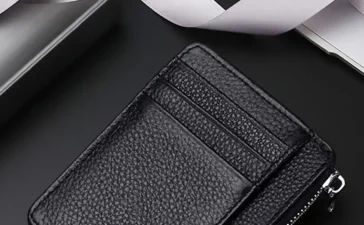

Organising Daily Essentials With Compact Card Holders Designed for Urban Lifestyle
Urban schedules feel more manageable once essentials settle into structured spaces that encourage calm coordination across shifting responsibilities. Compact formats...


What Is The Difference Between Hair Mask & Conditioner?
Haircare is an essential part of a well-rounded self-care routine, but with so many products available, it’s easy to get...


A Look at Moringa’s Popularity Across Thailand
All across Thailand, moringa is having a quiet but steady moment. While it’s been used for generations in local cooking...