





Haircare is an essential part of a well-rounded self-care routine, but with so many products available, it’s easy to get confused—especially when it comes to hair masks and conditioners. While both aim to nourish and improve the health of your hair, they are not quite the same. Each serves a unique purpose and works in different ways, depending on your hair’s condition and needs.
If you’ve ever wondered whether you really need both or how to use them correctly, this guide breaks it all down in simple terms.
What Does a Hair Conditioner Do?
A hair conditioner is typically used after shampooing to restore moisture and smoothness that might have been stripped away during cleansing. Conditioners work primarily on the surface of the hair strand, forming a protective layer that helps reduce frizz, add shine, and make the hair more manageable. They’re designed for regular use and are generally rinsed out within a few minutes.
Hair conditioners are ideal for maintaining the overall health of your hair and are suitable for most hair types, especially if you shampoo frequently. Using a conditioner helps detangle knots and gives your strands a softer, silkier feel.
What Are Hair Masks and How Do They Work?
On the other hand, hair masks are intensive treatments meant to deeply nourish and repair the hair from within. They usually contain a richer concentration of active ingredients such as natural oils, proteins, and vitamins. Hair masks are left on the hair for a longer duration—often 10 to 20 minutes or more—to allow the ingredients to penetrate deeper into the hair shaft.
Hair masks are especially beneficial for dry, damaged, colour-treated, or chemically-processed hair. When used regularly, they can significantly improve your hair’s texture, strength, and resilience.
Key Differences Between Hair Mask and Conditioner
While both products aim to moisturise and improve your hair’s appearance, there are some fundamental differences:
- Purpose: Hair conditioners focus on everyday maintenance, whereas hair masks are designed for intensive care and repair.
- Frequency: Conditioners can be used every time you wash your hair. Hair masks are typically used once or twice a week, depending on your hair’s condition.
- Texture: Hair masks have a thicker consistency and are more concentrated compared to the lightweight formula of conditioners.
- Application Time: A conditioner usually takes 2–3 minutes to work, while a hair mask needs more time—between 10 to 30 minutes—for deeper absorption.
How to Use Them Effectively in Your Routine
To get the best of both worlds, it’s important to incorporate both into your routine the right way. After shampooing, apply a hair conditioner to the mid-lengths and ends of your hair, then rinse thoroughly. Once or twice a week, skip the conditioner and use a hair mask instead, allowing it to sit for the recommended time before rinsing.
This alternating method ensures that your hair gets regular moisture, along with periodic deep repair.
Choosing the Right Product for Your Hair Type
When selecting a hair conditioner, go for one that matches your hair type—be it fine, thick, curly, or straight. A lightweight formula is ideal for oily scalps, while richer creams work well for coarse or dry hair.
Similarly, for hair masks, look for ingredients that address your specific concerns. If you’re battling dryness, opt for masks enriched with shea butter or argan oil. For damaged or brittle hair, protein-based masks can help strengthen the strands from within.
Conclusion
Both hair masks and conditioners are valuable additions to your haircare routine, but they serve different purposes. A hair conditioner is your go-to for daily nourishment and detangling, while a hair mask offers deeper, more targeted repair.
By understanding the difference and using each product accordingly, you can give your hair the care it truly deserves—restoring health, shine, and softness with every wash.


How to Spot Quality Products Before You Buy


The modern consumer marketplace is a visual masterclass in deception. Sophisticated digital marketing, filtered social media advertisements, and polished packaging...


Things to Do in Phuket Beyond the Beach
Phuket gets talked about like it only exists for sand and sea. Spend enough time on the island and that...
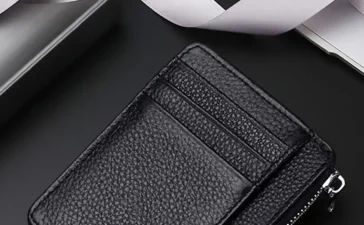

Organising Daily Essentials With Compact Card Holders Designed for Urban Lifestyle
Urban schedules feel more manageable once essentials settle into structured spaces that encourage calm coordination across shifting responsibilities. Compact formats...


A Look at Moringa’s Popularity Across Thailand
All across Thailand, moringa is having a quiet but steady moment. While it’s been used for generations in local cooking...